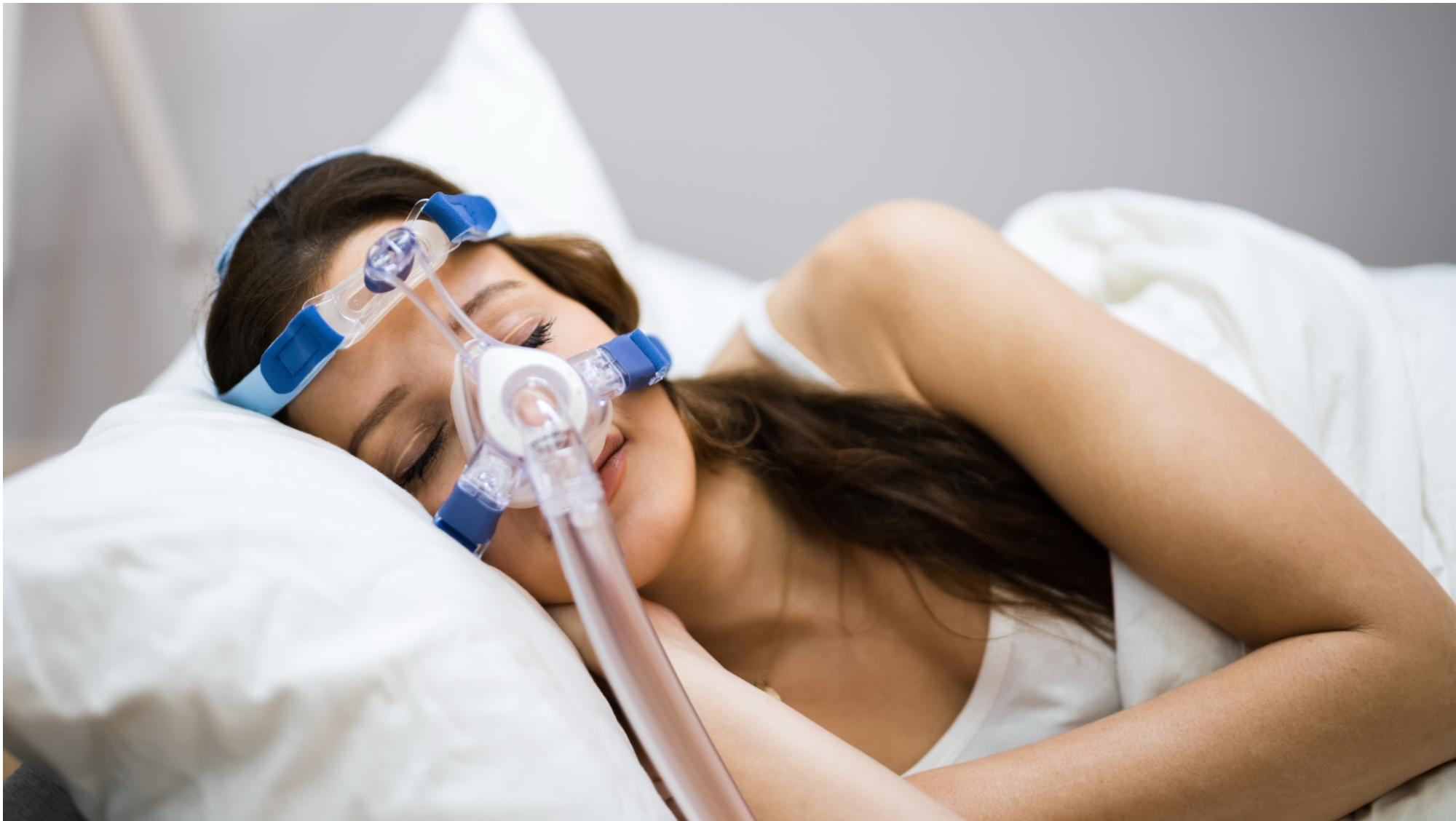
Sleep apnea is one of the most common yet underdiagnosed sleep disorders in the world. An estimated 50-60 million people in the United States have sleep apnea, but only 6-7 million have been diagnosed and treated. Millions of people are silently suffering from a condition that dramatically increases their risk of heart disease, stroke, and cognitive decline. The good news: sleep apnea is highly treatable. With proper diagnosis and the right treatment approach, you can restore healthy sleep, reduce cardiovascular risk, and reclaim your quality of life.
What Is Sleep Apnea?
Sleep apnea is a sleep disorder characterized by repeated pauses in breathing during sleep. These pauses, called apneas, last anywhere from a few seconds to over a minute and can occur dozens of times per hour. Each time breathing stops, oxygen levels in your blood drop. Your brain senses this drop and briefly wakes you to reopen your airway. These micro-awakenings are usually so brief that you don’t remember them, but they fragment your sleep and prevent you from reaching restorative deep sleep stages. The result: you wake up exhausted, even after 8 hours in bed.
Obstructive Sleep Apnea (OSA)
Obstructive sleep apnea is the most common type, accounting for 85-90% of all cases. The throat muscles relax excessively during sleep, causing the airway to narrow or collapse. Your brain is still sending signals to breathe, but the physical obstruction prevents airflow. OSA is often associated with obesity, enlarged tonsils, deviated septum, large tongue, or narrow airway anatomy.
- Accounts for 85-90% of all sleep apnea diagnoses
- Risk factors: male sex (2-3x more likely than premenopausal women), excess weight, age, smoking, alcohol use, family history
- Characteristic symptoms: loud snoring interrupted by silence, gasping, choking awakenings
- Severity measured by Apnea-Hypopnea Index (AHI): events per hour of sleep
- Highly treatable with CPAP, oral appliances, positional therapy, or surgery depending on severity
Central Sleep Apnea (CSA)
Central sleep apnea accounts for fewer than 1% of sleep apnea cases. Unlike OSA, there’s no physical obstruction — the problem is neurological. The brain’s respiratory control center fails to send the proper signals to breathe during sleep.
- Caused by: heart failure, stroke, neurological conditions, high altitude, opioid medications
- No snoring (unlike OSA — no airway obstruction is present)
- Fewer events per hour than OSA, but neurological in origin
- Gasping or awakening without the loud snoring associated with OSA
- Requires specialized treatment: CPAP with backup rate or adaptive servo-ventilation (ASV)
Complex Sleep Apnea (CompSA)
Complex sleep apnea is a combination of both obstructive and central sleep apnea. This type sometimes emerges when patients with OSA are treated with CPAP therapy — as the obstruction is relieved, a central component becomes apparent. It is relatively rare but requires specialized treatment approaches beyond standard CPAP.
Nighttime Symptoms
Sleep apnea symptoms during sleep are often noticed by a bed partner before the patient themselves. The classic warning signs include:
- Loud snoring interrupted by pauses in breathing — not all snorers have sleep apnea, but this pattern strongly suggests it
- Witnessed breathing pauses: a partner observes you stop breathing for 10+ seconds, then gasp or snort
- Gasping or choking awake: sudden awakenings with a choking sensation
- Frequent nighttime urination (nocturia): waking 3+ times per night
- Night sweats: waking drenched in sweat, especially around the chest and neck
- Restless sleep: tossing, turning, frequent position changes
Daytime Symptoms
The daytime consequences of untreated sleep apnea are broad and often confused with other conditions. Excessive daytime sleepiness is the hallmark symptom:
- Excessive daytime sleepiness (EDS): exhausted despite 7-8 hours in bed; falling asleep at work, while driving, or during conversations
- Morning headaches: dull, throbbing upon waking caused by low overnight oxygen levels
- Dry mouth or sore throat on waking
- Difficulty concentrating: brain fog, poor memory, difficulty focusing — often misdiagnosed as ADHD
- Mood changes: irritability, anxiety, depression, emotional dysregulation
- High blood pressure: especially if difficult to control despite medication
- Decreased libido: related to poor sleep quality and hormonal disruption
How Sleep Apnea Is Diagnosed
Diagnosis begins with a clinical evaluation followed by a sleep study. The gold standard is polysomnography (PSG) — either in a sleep lab or via a home sleep apnea test (HSAT). Approximately 90% of sleep studies are now home-based, making diagnosis far more accessible than it was a decade ago.
- Clinical evaluation: snoring history, daytime sleepiness, witnessed pauses, blood pressure, medical history
- Polysomnography (PSG): monitors brain waves, eye movement, muscle activity, heart rate, breathing effort, airflow, oxygen saturation, and body position over 6-8 hours
- Home Sleep Apnea Testing (HSAT): portable device — equally accurate for diagnosing OSA, more convenient and affordable
- Apnea-Hypopnea Index (AHI): the key diagnostic metric — number of apneas and hypopneas per hour of sleep
- AHI 0-5: Normal | AHI 5-15: Mild OSA | AHI 15-30: Moderate OSA | AHI 30+: Severe OSA
Cardiovascular & Metabolic Consequences of Untreated Sleep Apnea
Untreated sleep apnea is far more than a sleep problem. The repeated oxygen drops and sleep fragmentation damage multiple body systems. Every apnea event activates the sympathetic nervous system — fight-or-flight — causing blood pressure and heart rate to spike. Over thousands of nightly events, this causes lasting cardiovascular damage.
- High blood pressure: present in 50-90% of people with sleep apnea — and resistant to medication if apnea goes untreated
- Heart attack risk: 2-3x higher in untreated OSA
- Stroke: 3-4x higher risk
- Atrial fibrillation: irregular heart rhythm that further increases stroke risk
- Type 2 diabetes: 3x higher risk — sleep apnea drives insulin resistance independently of obesity
- Cognitive decline and Alzheimer’s disease: impaired glymphatic clearance during fragmented sleep accelerates amyloid accumulation
- Depression: 2-3x higher risk in untreated OSA
- Increased risk of car accidents and workplace injuries due to excessive daytime sleepiness
CPAP Therapy: The Gold Standard Treatment
Pros
- Reduces AHI by 80-90% in most patients
- Improves daytime sleepiness within 1-2 weeks
- Significantly reduces cardiovascular risk
- Improves cognitive function, mood, and quality of life
- Multiple mask styles to suit different preferences and face shapes
- Modern auto-adjusting machines are quiet, track data nightly, and self-optimize pressure
Cons
- 30-50% discontinuation rate due to discomfort, mask anxiety, or claustrophobia
- Adjustment period can take several weeks to feel natural
- Requires nightly use for sustained benefit
- Cleaning and maintenance required
- Can cause nasal congestion, dry mouth, or mask skin irritation
How CPAP Works & Popular Machines
CPAP (Continuous Positive Airway Pressure) delivers pressurized air through a mask, acting as a pneumatic splint that keeps your airway open and prevents collapse. Three mask styles cover most users: nasal masks (nose only — most common), nasal pillows (small cushions fitting in the nostrils — least claustrophobic), and full-face masks (nose and mouth — for mouth breathers or high pressures).
- ResMed AirSense 11: Auto-adjusting pressure, wireless data tracking, built-in humidifier — best overall for most users
- Philips DreamStation 2: Quiet operation, auto-adjusting, user-friendly companion app
- ResMed AirMini: Ultra-compact and travel-friendly — same core performance, far smaller footprint
- Fisher & Paykel SleepStyle: Heated tubing, excellent humidification — ideal for those with nasal dryness or congestion
- Compliance tips: use the pressure ramp feature when starting, try different mask styles if uncomfortable, add humidification, use a chin strap for mouth breathing
Oral Appliances: The CPAP Alternative
Oral appliances (mandibular advancement devices, or MADs) are an excellent alternative for mild to moderate OSA, or for patients who cannot tolerate CPAP. Custom-fitted by a dental sleep medicine specialist, these devices advance the lower jaw forward — pulling the tongue forward and opening the airway.
- Effectiveness: reduces AHI by 50-70% — less than CPAP, but sufficient for mild to moderate cases
- Compliance advantage: 70-80% compliance vs. ~50% for CPAP — patients actually wear them consistently
- No mask, no tubing, no electricity — completely portable and silent
- Popular devices: SomnoDent, Silent Nite, Herbst — all require custom fitting by a sleep dentist
- Potential side effects: temporary jaw soreness (usually resolves), slight tooth movement over years with some devices
- Cost: $1,500-3,000 upfront; often covered by insurance; requires periodic dental follow-up
- Best for: mild to moderate OSA, CPAP intolerance, frequent travelers, those who share a bed
Positional Therapy
Many people have significantly more apneas when sleeping on their back. Positional therapy encourages side-sleeping through wearable devices or specialized pillows, and can be highly effective for position-dependent apnea.
- Reduces AHI by up to 50% in position-dependent patients
- Wearable positional devices: vibrate gently when you roll onto your back (e.g., Night Shift, Zzoma)
- Positional pillows: specially contoured to keep you on your side throughout the night
- Non-invasive, low-cost, nothing on your face
- Best combined with CPAP or oral appliances for moderate to severe OSA
- Determine position-dependence by comparing your AHI in supine vs. lateral positions from your sleep study report
Inspire Upper Airway Stimulation
Inspire is a surgically implanted device for patients with moderate to severe OSA who cannot tolerate CPAP or oral appliances. A small implant stimulates the hypoglossal nerve — which controls tongue movement — keeping the tongue forward during sleep to prevent airway collapse. You activate it with a handheld remote before sleep each night.
- Effectiveness: reduces AHI by 70-80% on average; some patients achieve complete resolution
- No mask, no tubing — activated nightly with a small remote
- Significantly better long-term compliance compared to CPAP
- Cost: $30,000-40,000; often covered by insurance for qualifying patients
- Candidates: moderate to severe OSA (AHI 15-65), failed CPAP and/or oral appliance, BMI typically under 32, specific airway anatomy
- Requires a minor surgical procedure under general anesthesia and a short healing period
- FDA-approved; backed by strong clinical trial data from the STAR trial
Surgical Options
Surgery is considered when other treatments fail or for specific anatomical contributors to airway obstruction. Effectiveness varies considerably by procedure and patient anatomy.
- Uvulopalatopharyngoplasty (UPPP): removes excess tissue from soft palate and throat; 40-50% success rate
- Maxillomandibular advancement (MMA): surgically repositions the jaw forward; most effective surgical option at ~80% success rate
- Tonsillectomy/adenoidectomy: highly effective for adults with significantly enlarged tonsils contributing to obstruction
- Septoplasty: corrects deviated septum to improve nasal airflow — often combined with other procedures
- Genioglossus advancement: repositions the tongue muscle attachment forward, reducing posterior tongue collapse
- Generally reserved for patients who have failed CPAP, MAD, and positional therapy, or with specific correctable anatomy
Lifestyle Modifications That Help
While not sufficient alone for moderate to severe OSA, lifestyle changes meaningfully reduce apnea severity and support all other treatment approaches:
- Weight loss: even 10% reduction in body weight can reduce AHI by 26% or more in overweight patients
- Avoid alcohol: relaxes throat muscles and worsens apnea severity — avoid within 3 hours of bedtime
- Avoid sedatives and sleeping pills: most worsen airway collapse during sleep
- Side-sleeping: reduces apnea frequency, especially in mild to moderate position-dependent cases
- Nasal congestion treatment: manage allergies, use saline rinse, treat chronic congestion
- Smoking cessation: smoking significantly increases airway inflammation and OSA severity
- Regular exercise: reduces OSA severity independently of weight loss — aim for 150 minutes per week
Choosing the Right Treatment
The best treatment depends on your apnea severity, anatomy, lifestyle, and tolerance for various therapies. Most sleep specialists recommend a stepwise approach, and combination therapy often works when single treatments fall short:
- Mild OSA (AHI 5-15): positional therapy, oral appliance, or lifestyle modification — CPAP optional
- Moderate OSA (AHI 15-30): CPAP (first-line), oral appliance (strong alternative), or Inspire
- Severe OSA (AHI 30+): CPAP (first-line), Inspire (if CPAP fails), surgery for specific anatomical cases
- CPAP intolerance: try different mask styles first, then consider oral appliances, Inspire, or positional therapy
- Central sleep apnea: requires specialist evaluation — standard CPAP may worsen it; ASV therapy often required
- Do not abandon treatment after one failed attempt — the right approach exists for nearly every patient
Frequently Asked Questions
Q: Can I test myself for sleep apnea at home?
A: Yes. Home sleep apnea tests (HSAT) are now the most common diagnostic method — about 90% of studies are home-based. You wear a portable device for one night that measures airflow, breathing effort, and oxygen saturation. The results are interpreted by a sleep specialist. HSATs are equally accurate for diagnosing OSA, though in-lab polysomnography is preferred for suspected central sleep apnea or complex cases.
Q: Can thin people have sleep apnea?
A: Absolutely. While obesity is a major risk factor, anatomical factors — a narrow airway, large tongue, retrognathia (recessed jaw), or enlarged tonsils — can cause severe OSA in thin individuals. Roughly 20% of people with sleep apnea have a healthy BMI. If you snore loudly or have symptoms, don’t dismiss sleep apnea because of your weight.
Q: Can sleep apnea be cured permanently?
A: It depends on the cause. For some patients, significant weight loss, surgery, or Inspire therapy achieves sustained resolution. For most, sleep apnea is managed rather than cured — meaning effective treatment must continue long-term. That said, properly treated sleep apnea carries cardiovascular risks comparable to the general population.
Q: Is snoring the same as sleep apnea?
A: No. Snoring is common and can occur without apnea. Sleep apnea involves actual pauses in breathing. However, loud snoring — especially when interrupted by silence followed by a gasp — is the most common warning sign of OSA. If your snoring is accompanied by choking, gasping, or witnessed breathing pauses, get evaluated.
Q: How quickly will I feel better after starting CPAP?
A: Most patients notice significant improvement in daytime alertness and energy within the first 1-2 weeks of consistent CPAP use. Some notice improvements after the very first night. Full benefits — including cardiovascular risk reduction and cognitive improvements — accrue over weeks to months of consistent use. Compliance (4+ hours per night on 70%+ of nights) is the most critical factor.
Key Takeaways
- Sleep apnea affects 50-60 million Americans but only 6-7 million are diagnosed — if you snore loudly with witnessed breathing pauses, get evaluated.
- Untreated sleep apnea doubles or triples your risk of heart attack, stroke, type 2 diabetes, and depression.
- CPAP is the gold standard treatment — it reduces AHI by 80-90% and significantly cuts cardiovascular risk within months of consistent use.
- Oral appliances are an effective, high-compliance alternative for mild to moderate OSA, especially for CPAP-intolerant patients.
- Inspire upper airway stimulation is a strong option for moderate-severe OSA patients who cannot tolerate CPAP or oral appliances.
- Home sleep apnea testing has made diagnosis more accessible — ask your doctor about a home study if you have symptoms.
- Lifestyle changes (weight loss, alcohol avoidance, side-sleeping) meaningfully improve apnea severity alongside medical treatment.
References
- Drinan, K., & LoSavio, P. (2024). Sleep Deprivation and Heart Disease. UChicago Medicine Forefront.
- Gao, Y., et al. (2025). Comparative efficacy of sleep positional therapy, oral appliances, and CPAP. Frontiers in Medicine, 12(1), 1517274.
- Hsu, Y.C., et al. (2024). Effectiveness of Treating Obstructive Sleep Apnea by Surgical Interventions and CPAP Therapy. Sleep Medicine Reviews, 45(1), 101-115.
- Jayesh, S.R., et al. (2015). Mandibular advancement device for obstructive sleep apnea. Journal of Dental Research, 94(2), 195-203.
- Mayo Clinic. (2025). Obstructive Sleep Apnea: Symptoms and Causes.
- Noah, W.H., et al. (2025). Using CPAP to treat OSA: Is it time to reverse 30 years of practice? Sleep Medicine Reviews, 58(1), 101-112.
- ResearchGate / Cleveland Clinic. (2024). Oral Appliances for Sleep Apnea: Benefits & How They Work.