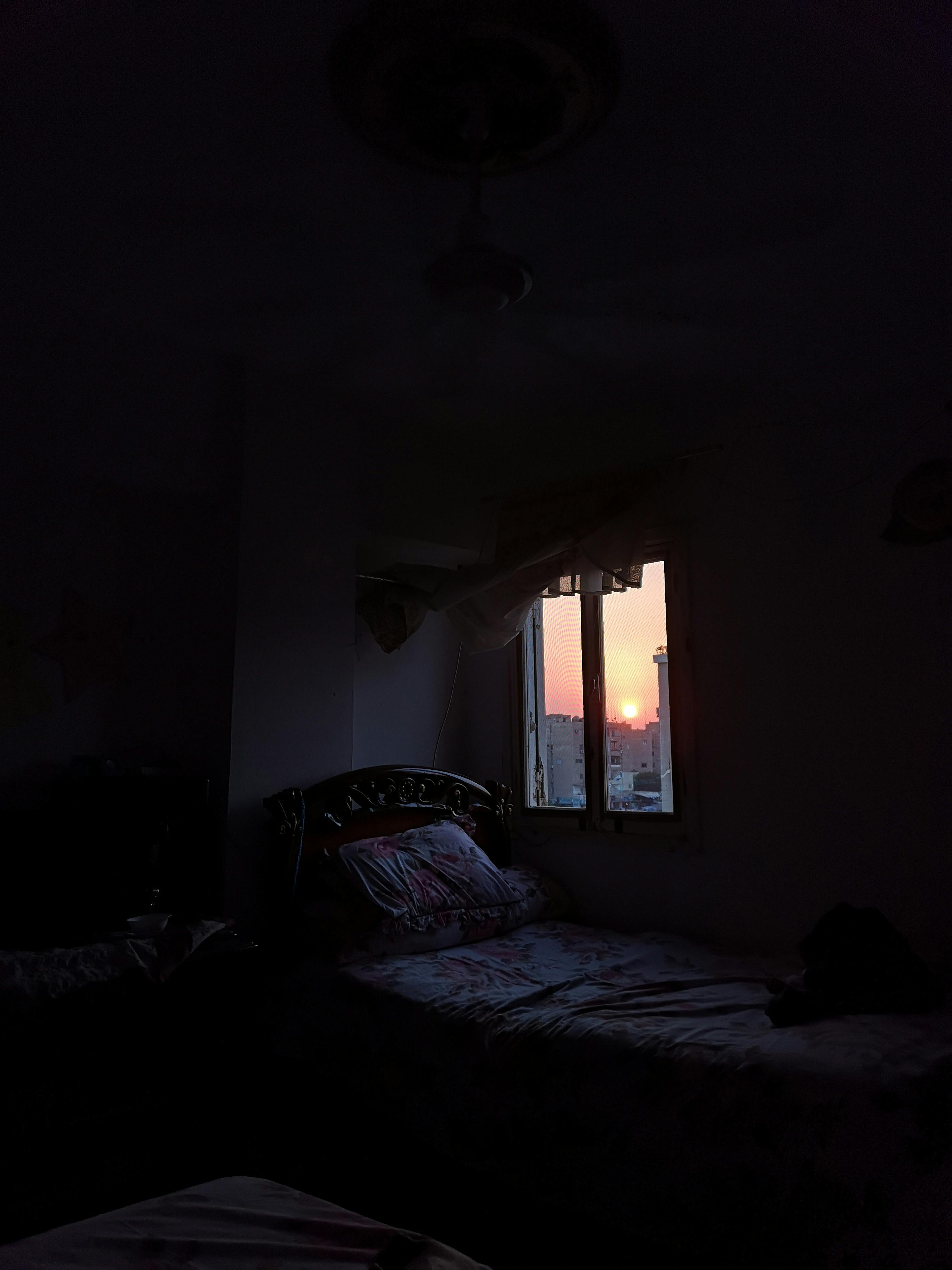
Your brain cannot distinguish between a safe, comfortable sleep environment and a threatening one through reasoning — it reads environmental signals. Temperature, light, and sound are not comfort preferences; they are direct inputs into your nervous system that determine whether you spend the night in deep, restorative sleep or in a state of low-grade vigilance. Here’s how to optimize each one.
Step 1: Temperature — The Most Critical Factor
Core body temperature must drop by approximately 1–2°F (0.5–1°C) to initiate and sustain sleep. Your body does this partly by shunting blood to the extremities. Your bedroom environment either supports or fights this process.
- Target bedroom temperature: 65–68°F (18–20°C) for most adults. Some research suggests slightly lower (60–65°F) for optimal deep sleep.
- Sleeping hot is more disruptive than sleeping cold — you wake from heat, but you can add a blanket if cold.
- Temperature-regulating mattress toppers (ChiliPad, Eight Sleep) allow precise sleep surface temperature control and have demonstrated measurable improvements in slow-wave sleep.
- If you can’t control room temperature: use moisture-wicking sheets (bamboo, linen, Tencel) and a fan for combined airflow and cooling.
- A warm bath or shower 1–2 hours before bed draws blood to the skin surface, accelerating the core temperature drop after you get out.
Step 2: Light — True Blackout Matters
The human eye has photoreceptors that respond to light at intensities far below what you’d consciously notice. Even 10 lux — equivalent to a dim night light — is sufficient to suppress melatonin production. “Dark” is not enough. True blackout means no visible light sources of any kind.
- Blackout curtains or blinds are the foundational investment. Look for curtains rated 99%+ light blocking — not “room darkening” (typically 85–90%).
- Cover or remove all indicator lights: TV standby LEDs, router lights, air conditioner displays, phone charger indicators. A piece of electrical tape per device costs nothing.
- If your partner uses their phone in bed, a contoured sleep mask that doesn’t pressure the eyes is a simple solution.
- For safety navigation at night, use red-wavelength nightlights in bathrooms and hallways — red light has minimal melatonin-suppressing effect.
Step 3: Sound — Consistent Masking Over Silence
The issue with sound is not volume — it is change. A consistently loud environment is less disruptive than intermittent moderate sounds (a partner snoring, a car alarm). The brain’s threat-detection system responds to novelty, not decibels. The goal is either true silence or a consistent masking sound.
- White noise contains all frequencies equally and is effective at masking broadband sounds like traffic.
- Brown noise (deeper, lower-pitched) is preferred by many people and is less harsh to the ear for sustained sleep.
- Pink noise has evidence from several studies for specifically increasing slow-wave (deep) sleep depth.
- Volume recommendation: ~65 dB maximum. Louder independently fragments sleep.
- Fan noise addresses two variables simultaneously: consistent masking sound and airflow for temperature regulation.
- Earplugs (NRR 33 maximum) are highly effective but require adjustment and are not tolerated by everyone.
Step 4: Air Quality, Scent, and Bedding
While temperature, light, and sound are the highest-leverage variables, several additional factors contribute meaningfully to sleep quality.
- Air quality: CO2 buildup in sealed rooms overnight reduces sleep quality. Leave a window slightly open or ensure adequate ventilation.
- Humidity: 40–60% relative humidity is the target. Too dry causes respiratory discomfort; too humid can worsen sleep-disordered breathing.
- Lavender: One of the few aromatherapy agents with controlled trial evidence for mild anxiolytic and sleep-promoting effects.
- Bedding: Natural fibers (cotton, linen, bamboo) regulate temperature more effectively than synthetics.
- Reserve your bed exclusively for sleep and intimacy — the foundational stimulus control principle.
Key Takeaways
- Temperature is the single most important environmental variable. Keep your bedroom at 65–68°F.
- True blackout means zero visible light — cover all indicator LEDs and use 99%+ blackout curtains.
- Use consistent masking sound (brown or pink noise at ~65 dB) rather than relying on silence if your environment is variable.
- Red-wavelength night lights preserve melatonin while providing safe navigation lighting.
- Adequate ventilation prevents CO2 buildup — leave a window cracked or ensure airflow.