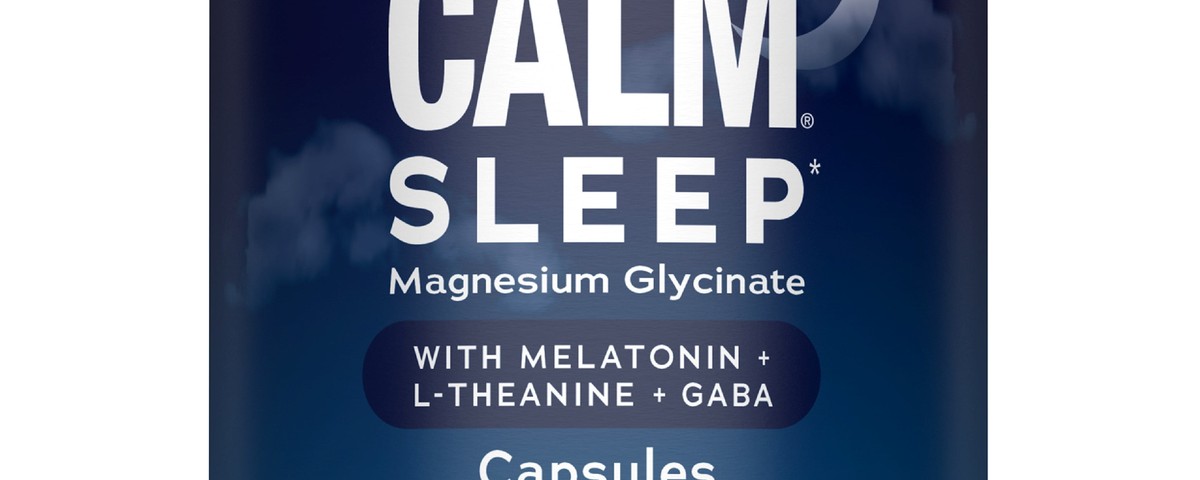
If you’ve spent any time in sleep optimization circles, you’ve heard magnesium recommended constantly. And for once, the hype is at least partially justified — but only if you pick the right form. Buy the wrong type and you’ll either notice nothing or spend the night running to the bathroom.
Here’s everything you need to know.
Why Magnesium Helps Sleep
Magnesium is involved in over 300 enzymatic reactions in the body. Several of those are directly relevant to sleep.
GABA activation. Magnesium binds to GABA receptors in the brain — the same receptors targeted by sleep medications like benzodiazepines, just far more gently. GABA is your nervous system’s primary “off switch.” Low magnesium means weaker GABA signaling, which translates to a nervous system that struggles to wind down at night.
Melatonin regulation. Magnesium is required to synthesize melatonin. Without adequate levels, your body’s natural melatonin production is impaired. This partly explains why magnesium-deficient people often struggle to feel sleepy at a consistent time.
Cortisol suppression. Magnesium blunts the HPA axis stress response. High cortisol at night is one of the most common reasons people lie awake with a racing mind. Magnesium helps bring that down.
Muscle relaxation. Magnesium regulates calcium uptake in muscle cells. Insufficient magnesium leads to prolonged muscle contraction — including the kind that causes nighttime leg cramps and general physical restlessness.
The deficiency problem is real: estimates suggest roughly 50% of Americans don’t get adequate magnesium from diet alone. Soil depletion, processed food diets, and high stress (which depletes magnesium rapidly) all contribute. If you’re sleeping poorly and eating a typical Western diet, there’s a reasonable chance magnesium deficiency is part of the picture.
The Different Types of Magnesium
This is where most people go wrong. The form of magnesium determines how well it’s absorbed and what secondary effects it has.
1. Magnesium Glycinate — Best Overall for Sleep
Magnesium bound to glycine, an amino acid with its own independent calming properties. Glycine has been shown in separate research to improve sleep quality and reduce daytime fatigue by lowering core body temperature — a key signal for sleep onset.
The combination makes magnesium glycinate uniquely suited for sleep: excellent bioavailability (~80% absorption), minimal GI side effects, and two sleep-supportive compounds in one pill. It’s more expensive than oxide or citrate, but the price difference is worth it.
Best for: Anyone whose primary goal is better sleep. This is the default recommendation.
2. Magnesium L-Threonate — Best for Cognitive Benefits + Sleep
The only form of magnesium demonstrated to meaningfully cross the blood-brain barrier and raise brain magnesium levels. Developed at MIT specifically for cognitive applications.
For sleep, the research is promising — particularly for stress-related insomnia and age-related sleep decline. The tradeoff is cost: it’s significantly more expensive than glycinate (often 3–4x the price per serving).
Best for: People who want cognitive benefits alongside sleep improvement, or older adults with declining sleep quality.
3. Magnesium Citrate — Solid Budget Option
Bound to citric acid, magnesium citrate has good bioavailability and is widely available. The main drawback: at higher doses (above ~350mg), it has a pronounced laxative effect. At moderate doses, it’s a reasonable sleep aid.
Best for: People who want an affordable, effective option and are careful about dosing.
4. Magnesium Oxide — Avoid for Sleep
The cheapest form, and almost worthless for sleep. Absorption rates are around 4% — meaning most of what you take passes straight through. Its primary effect is laxative. Despite this, it’s still found in many budget supplements because it’s cheap to produce and sounds equivalent on a label.
Avoid this form entirely if your goal is improved sleep.
5. Magnesium Malate — Better for Energy Than Sleep
Bound to malic acid, which plays a role in the cellular energy cycle. Magnesium malate is useful for reducing fatigue and muscle soreness — it’s popular among fibromyalgia patients. However, the energizing effect of malate makes it a poor choice as a nighttime sleep supplement.
Best for: Morning use for energy and recovery, not sleep.
6. Magnesium Taurate — Underrated Sleep Option
Bound to taurine, which has both cardiovascular and calming effects. Taurine, like glycine, supports GABA activity. Magnesium taurate is well-absorbed and particularly interesting for people with both sleep and cardiovascular concerns (high blood pressure, palpitations at night).
Best for: People with cardiovascular concerns who also want sleep support.
Dosage and Timing
Dose: The typical effective range for sleep is 200–400mg of elemental magnesium per night. Note that “elemental” is the key word — labels sometimes list the total compound weight, not the actual magnesium content. Check that the label specifies elemental magnesium.
Start at the lower end (200mg) and increase gradually over 1–2 weeks. Higher doses increase the likelihood of GI upset, especially with citrate forms.
Timing: Take magnesium 30–60 minutes before bed. This gives the glycine or taurine component time to exert its calming effect before you’re trying to fall asleep.
With or without food: Magnesium glycinate can be taken on an empty stomach without issue. Citrate and oxide forms are better tolerated with food.
What the Research Says
The honest assessment: the evidence for magnesium and sleep is moderate, not definitive. The effect size is real but not dramatic.
Magnesium supplementation shows the most reliable benefit in people who are actually deficient. A 2012 randomized controlled trial in elderly insomniacs (a group with high deficiency rates) showed significant improvements in sleep time, sleep efficiency, and early morning awakening with 500mg of magnesium oxide daily. More recent studies on magnesium glycinate specifically show improved subjective sleep quality and reduced sleep onset time.
If you’re already eating a magnesium-rich diet (lots of dark leafy greens, nuts, seeds, legumes), you may notice less benefit. If you’re eating a typical Western diet, work a high-stress job, or exercise intensely without supplementing, the odds are good you’ll notice an improvement.
Magnesium vs. Melatonin
These work through completely different mechanisms and aren’t really competitors. Melatonin signals to your body that it’s nighttime — it helps set sleep timing. Magnesium reduces nervous system arousal and supports the underlying biochemistry of sleep. Many people use both, and the combination is sensible. If you can only choose one, magnesium glycinate is more broadly useful for general sleep quality; melatonin is better for specific timing issues like jet lag or shift work.
Top Picks
1. Thorne Magnesium Bisglycinate — Clean formula, Thorne’s quality control is among the best in the supplement industry. 200mg elemental magnesium per serving. Pricier but worth it.
2. Doctor’s Best High Absorption Magnesium Glycinate — The best value in magnesium glycinate. 200mg elemental magnesium, third-party tested, widely available. This is the standard recommendation for most people.
3. Magtein (NOW Foods Magnesium L-Threonate) — Uses the patented Magtein form of L-threonate developed at MIT. 2,000mg per serving (delivering ~144mg elemental magnesium). Best choice if you’re also looking for cognitive benefits.
4. Life Extension Neuro-Mag — Another solid L-threonate option with a slightly different dose. Good for those who find the full Magtein dose too activating initially.
Key Takeaways
- Magnesium glycinate is the best form for sleep for most people — well-absorbed, minimal side effects, and glycine adds independent calming effects.
- Magnesium L-threonate is worth the extra cost if you want cognitive benefits alongside sleep improvement.
- Avoid magnesium oxide — its absorption is too poor to be useful.
- Dose 200–400mg elemental magnesium, 30–60 minutes before bed.
- The research is solid but not overwhelming — you’ll likely notice the most benefit if you’re currently deficient.
- Give it at least 2–3 weeks of consistent use before evaluating results. Magnesium isn’t a sedative; it works by restoring a biological baseline.