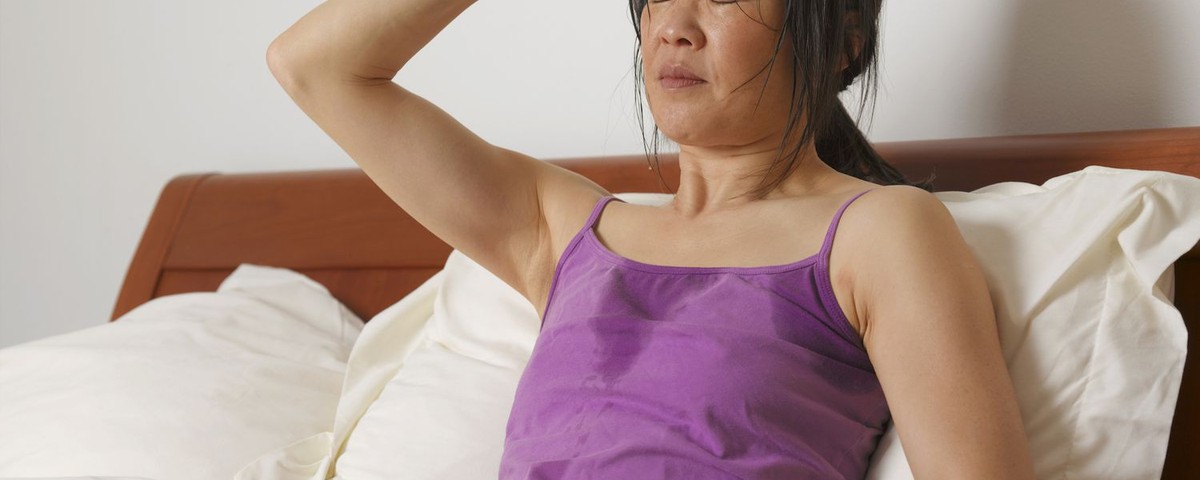
Most people have woken up at some point feeling warmer than expected, maybe with slightly damp sheets. That’s entirely normal — your body thermoregulates throughout the night, and minor sweating is just physiology doing its job.
True night sweats are a different matter. Clinically defined as recurrent episodes of sweating during sleep that are severe enough to soak your nightclothes and bedding, night sweats affect an estimated 3% of the general population as a chronic complaint — and a much higher percentage during certain life stages or in the presence of specific health conditions. They disrupt sleep quality significantly, and depending on their cause, they can range from a simple environmental fix to an early indicator of something requiring medical attention.
Understanding the distinction between “I was too warm” and genuine night sweats is the first step. The second is figuring out why.
Night Sweats vs. Normal Sweating
Sweating during sleep is normal. Your body uses perspiration as a cooling mechanism throughout the night, and most people sweat at least lightly during REM sleep, when the thermoregulatory system is less active and body temperature can drift toward ambient levels.
Night sweats, by contrast, are characterized by:
- Sweating that is disproportionate to the room temperature — occurring even in a cool bedroom
- Drenching intensity — waking to wet sheets or needing to change clothing
- Recurrence — happening most nights rather than occasionally
- Often accompanied by a sensation of intense heat (hot flash-like) before or during the episode
If your sweating stops when you turn down the thermostat and swap to lighter bedding, it’s almost certainly environmental. If it persists despite a cool sleep environment and breathable bedding, one of the causes below is worth investigating.
Main Causes of Night Sweats
1. Bedroom Too Hot / Too Much Bedding
The most common cause by far — and the most easily fixed. The ideal bedroom temperature for sleep is 65–68°F (18–20°C). Dense foam mattresses, heavy down duvets, synthetic polyester sheets, and sleeping with pets all raise the microclimate around your body and can cause sweating that feels like a medical problem but is purely mechanical.
Before attributing night sweats to anything else, spend two weeks sleeping in a cooler room with lighter, breathable bedding (percale cotton or linen works well) and see whether the sweating resolves.
2. Hormonal Changes
Hormonal fluctuations are the second most common cause of true night sweats, particularly in women.
Menopause and perimenopause are the textbook trigger. The decline in estrogen disrupts the hypothalamus’s temperature regulation, causing it to interpret normal body temperatures as overheating and trigger inappropriate cooling responses — the familiar hot flash. Night sweats are the nocturnal equivalent and affect 75–85% of women during perimenopause and early postmenopause. They can persist for 7–10 years in some cases.
Pregnancy brings significant hormonal shifts that can cause night sweats, particularly in the first and third trimesters.
Testosterone fluctuations cause night sweats in men as well, though less commonly discussed. Low testosterone (hypogonadism) can produce hot flashes and night sweats in men that closely mirror menopausal symptoms. Testosterone levels naturally decline with age, but abrupt drops from medications, testicular issues, or pituitary disorders can accelerate this effect.
Premenstrual phase sweating is also common in younger women — the drop in progesterone in the luteal phase can trigger thermoregulatory disruption.
3. Hypoglycemia (Low Blood Sugar at Night)
Blood sugar drops during sleep — called nocturnal hypoglycemia — are a common but underrecognized cause of night sweats. The sweating is triggered by the adrenal response to low glucose: epinephrine (adrenaline) release, which mobilizes glucose stores but also raises heart rate, causes flushing, and activates sweat glands.
This is particularly common in people with type 1 or type 2 diabetes who take insulin or sulfonylureas. It can also occur in people without diagnosed diabetes who have reactive hypoglycemia, or after heavy evening alcohol consumption (alcohol impairs glucose release from the liver overnight). If your night sweats tend to occur in the early morning hours (2–4 AM) and you wake feeling shaky, anxious, or with a rapid heart rate, nocturnal hypoglycemia is worth investigating.
4. Alcohol and Certain Medications
Alcohol causes peripheral vasodilation — widening of blood vessels near the skin — which initially creates a feeling of warmth and can trigger night sweats a few hours into sleep as the body responds to the temperature disruption. Even moderate drinking (2–3 drinks in the evening) reliably worsens night sweats in susceptible individuals.
Several medication classes are known triggers:
- Antidepressants — SSRIs and SNRIs are among the most common pharmaceutical causes of night sweats, affecting an estimated 10–20% of users
- Antipyretics (fever reducers like aspirin, ibuprofen, acetaminophen) can cause rebound sweating as their effects wear off overnight
- Hormone therapies — both the treatments for and the conditions requiring them can cause sweating
- Certain blood pressure medications, particularly calcium channel blockers
- Niacin (vitamin B3) and some supplements
If night sweats began coinciding with a new medication, consult your prescribing doctor before stopping — there may be alternatives with a better tolerability profile for you.
5. Infections and Illness
The body raises core temperature as a defense mechanism against pathogens, and night sweats are a classic symptom of many infections as the immune system works to fight them off. Most acute infections (flu, COVID-19, common cold) produce night sweats that resolve with the illness itself.
Persistent night sweats associated with infection warrant more attention. Tuberculosis — historically called “consumption” partly because of its characteristic night sweats — remains a significant global cause of the symptom. HIV, bacterial endocarditis (infection of the heart valves), osteomyelitis (bone infection), and fungal infections (particularly in immunocompromised individuals) can all present with chronic night sweats.
The distinguishing feature of infection-related sweating is usually accompanying symptoms: fever (even low-grade), fatigue, unexplained weight loss, or localized pain.
6. Sleep Apnea
Obstructive sleep apnea (OSA) is a significantly underrecognized cause of night sweats. The mechanism is multifactorial: the intense physical effort of breathing against an obstructed airway activates the sympathetic nervous system, raising heart rate and triggering sweating; the associated oxygen desaturation also triggers an adrenal stress response.
Studies estimate that night sweats are present in roughly 30% of people with sleep apnea — a far higher rate than the general population. If your night sweats are accompanied by loud snoring, observed breathing pauses, morning headaches, or daytime fatigue that seems out of proportion to your time in bed, a sleep study is warranted.
7. Anxiety and Stress
The physiological stress response — cortisol and adrenaline release — is a direct trigger for sweating. Anxiety disorders, PTSD (which often involves hyperarousal during sleep and night terrors), and even acute situational stress can cause enough sympathetic nervous system activation during sleep to produce significant sweating.
This type of night sweat often co-occurs with disturbing dreams, difficulty falling back asleep, a racing heart on waking, and the next-day physical symptoms of chronic stress. Treating the underlying anxiety — through therapy, medication, or lifestyle changes — typically resolves the sleep sweating.
8. Idiopathic Hyperhidrosis
When all other causes have been ruled out, some people are diagnosed with idiopathic hyperhidrosis — excessive sweating with no identifiable underlying cause. The hyperhidrosis may affect the whole body during sleep or be localized. It’s more common in people who also experience daytime hyperhidrosis (sweaty palms, excessive underarm sweating) and has a genetic component. Treatment options include anticholinergic medications, topical treatments, and in some cases Botox injections or procedural interventions.
When Night Sweats Are a Red Flag
Most night sweats have benign or manageable causes. But certain patterns should prompt prompt medical evaluation:
- Unexplained weight loss accompanying night sweats — this combination is a classic presentation of lymphoma (both Hodgkin’s and Non-Hodgkin’s), leukemia, and other hematologic malignancies
- Persistent fever (even low-grade) alongside night sweats — raises concern for occult infection or inflammatory disease
- Night sweats in someone who is immunocompromised — HIV, chemotherapy, or immunosuppressive medications substantially expand the differential
- Night sweats in men over 50 — while often hormonal, can indicate early prostate issues or other malignancy
- Drenching sweats beginning suddenly without an obvious trigger at any age
The triad of night sweats, fever, and unexplained weight loss is specifically associated with lymphoma and should be evaluated without delay.
Practical Solutions
Cool your sleep environment. This is always the first intervention, even when the cause appears medical, because heat exacerbates sweating from any source. Target 65–68°F (18–20°C). Switch to breathable percale cotton or linen sheets, reduce blanket layers, and eliminate synthetic materials. The Olive + Crate Eucalyptus Cooling Sheet Set{rel=“nofollow sponsored” target=“_blank”} and Elegear Cooling Blanket{rel=“nofollow sponsored” target=“_blank”} are two upgrades that make a noticeable difference for hot sleepers.
Upgrade your mattress. Dense foam mattresses are a significant contributing factor for many people. A cooling mattress or mattress topper — using gel infusions, copper-infused foam, or phase-change materials — can dramatically reduce the heat buildup that triggers sweating. See our guide to the best cooling mattresses for options across price points.
Track your patterns. Noting when sweats occur (time of night, phase of menstrual cycle, correlation with alcohol consumption or medication timing) provides invaluable data for identifying the cause and monitoring whether interventions are working. Wearable sleep trackers that monitor heart rate, skin temperature, and sleep stages can add objective data to your subjective notes. Our roundup of best sleep trackers in 2026 covers devices with meaningful temperature tracking capabilities.
Moisture-wicking sleepwear. Merino wool and technical athletic fabrics (when breathable) wick sweat away from the body faster than cotton, reducing the clammy sensation that wakes you and making sweating episodes less disruptive even when they can’t be fully prevented.
Limit alcohol and large meals before bed. Both raise body temperature and worsen sweating through distinct mechanisms.
Address the underlying cause. Environmental optimization reduces suffering but doesn’t treat the root cause for medical-origin night sweats. Hormonal causes may respond to HRT, bioidentical hormones, or non-hormonal treatments (SSRIs, gabapentin, and clonidine all have evidence for menopausal hot flashes). Sleep apnea responds dramatically to CPAP therapy, which also tends to resolve the associated night sweats within weeks.
When to See a Doctor
See a doctor if:
- Night sweats are severe or frequent and persist despite environmental optimization
- They are accompanied by fever, weight loss, fatigue, or pain
- They began with a new medication
- You have risk factors for sleep apnea and the sweating co-occurs with snoring or daytime fatigue
- You are postmenopausal (sweats after menopause, rather than during, warrant evaluation)
- You are immunocompromised for any reason
A thorough evaluation typically includes a medical history, physical exam, blood work (complete blood count, thyroid function, fasting glucose, hormones), and potentially a sleep study if apnea is suspected.
Key Takeaways
- Night sweats are defined as recurrent drenching sweating during sleep disproportionate to room temperature — distinct from normal nocturnal perspiration.
- The most common causes are environmental (hot bedroom, heavy bedding), hormonal (menopause, testosterone changes), medications (especially SSRIs), and alcohol.
- Sleep apnea causes night sweats in roughly 30% of cases and is frequently overlooked.
- The combination of night sweats + weight loss + fever is a red flag that warrants prompt medical evaluation, as it is associated with lymphoma and other serious conditions.
- Practical solutions include cooling your sleep environment, switching to breathable bedding, upgrading to a cooling mattress, reducing alcohol, and tracking patterns with a sleep tracker.
- Persistent, unexplained night sweats — especially with other systemic symptoms — should be evaluated by a physician.