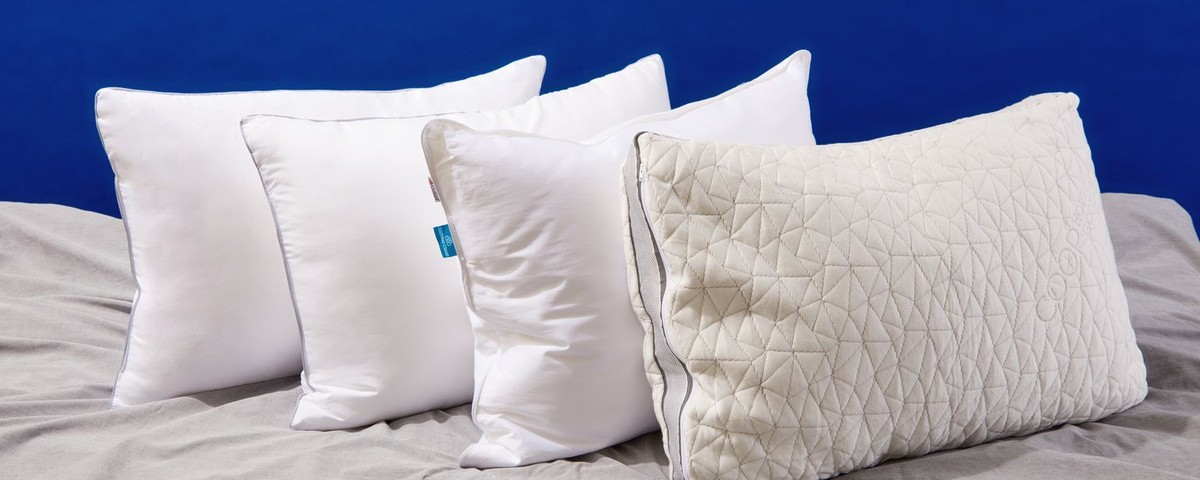
If you regularly flip your pillow to find the cool side, wake up sweating, or have a pillow that feels noticeably warm to the touch by morning, you’re a hot sleeper — and your pillow is making it worse.
Core body temperature needs to drop 1–3°F to initiate and maintain deep sleep. Your head and neck are primary heat dissipation points; they’re where your body actively sheds heat during the night. A pillow that traps that heat doesn’t just feel uncomfortable — it actively interferes with your body’s thermoregulatory process and pulls you out of deeper sleep stages.
Why Your Pillow Makes You Hot
The culprit is almost always foam. Traditional solid memory foam has a dense, closed-cell structure that traps air and heat with nowhere to go. Your head sinks in, surrounded by insulating foam on three sides, and body heat accumulates under and around your head throughout the night.
Memory foam is particularly problematic because it was engineered for pressure relief and conforming support — not for thermal performance. The same properties that make it feel supportive (dense, slow-rebound foam that molds to shape) are what make it hot.
The head and neck have high surface vascularity — lots of blood vessels close to the skin — which is why they’re so efficient at radiating heat. A breathable pillow allows that heat to dissipate naturally. A foam pillow traps it.
Cooling Pillow Technologies
Not all “cooling” claims are equal. Here’s how each technology actually works:
1. Gel-Infused Memory Foam
Gel beads or layers are embedded into the foam to absorb and redistribute heat. It genuinely helps — gel has higher thermal mass than foam, so it draws heat away from your skin faster. The limitation: the gel can only absorb so much before it saturates and stops helping, typically within 30–60 minutes. Better than standard memory foam, but not a complete solution for heavy hot sleepers.
2. Shredded Latex
Shredded latex has an open-cell structure that allows air to move through the fill. Unlike solid foam, shredded fill isn’t a solid mass — air circulates between the pieces. Natural latex is also inherently cooler than synthetic foam. This is one of the most consistently well-rated technologies for hot sleepers because the airflow is passive and continuous, not dependent on a material’s thermal absorption capacity.
3. Phase-Change Material (PCM) Covers
PCM fabrics contain microencapsulated materials that absorb heat as they change phase from solid to liquid (at body temperature) and release it when they cool back down. The effect is a cover that feels actively cool to the touch and maintains that sensation longer than gel alone. High-quality PCM covers make a noticeable difference. Cheap “cooling fabric” covers are often just polyester with marketing language — look for products that specifically name their PCM technology.
4. Buckwheat Fill
Buckwheat hulls are among the oldest pillow fills in use. The hollow, irregular hulls don’t compress into a solid mass — air flows freely through them at all times. The result is excellent natural ventilation and no heat buildup. The tradeoffs: buckwheat pillows are firm, heavy, and make a rustling sound when you move. They’re an acquired taste, but dedicated fans swear by them.
5. Down Alternative with Moisture-Wicking Covers
A step up from standard polyester fill — moisture-wicking covers (often using Tencel, bamboo-derived rayon, or performance fabric) pull moisture away from skin and allow it to evaporate. The fill itself is more breathable than foam. Best for mild hot sleepers or those who primarily suffer from night sweats rather than general heat buildup.
What to Look For
Fill material vs. cover material — both matter. A gel-infused foam pillow with a polyester cover negates half the benefit. A breathable fill with a PCM cover is better than either alone. The best cooling pillows address both.
Loft and firmness by sleep position. Side sleepers need a higher loft (4–6 inches) to keep the spine aligned; a pillow that’s too flat causes neck strain that disrupts sleep regardless of temperature. Back sleepers need medium loft (3–5 inches). Stomach sleepers need low loft (2–3 inches) to prevent neck hyperextension. Cooling technology doesn’t help if the pillow isn’t the right fit for your position.
Washability. Pillows accumulate sweat, oils, and dead skin cells — especially if you’re a hot sleeper. Look for removable, machine-washable covers at minimum. Some shredded fill pillows allow the fill itself to be washed.
Top Picks
1. Coop Home Goods Eden Pillow — Best Overall
Rating: 9.5/10 Shredded memory foam and microfiber fill with a Tencel and polyester cover that has some moisture-wicking properties. The adjustable fill is the standout feature — you can add or remove fill to dial in the exact loft for your sleep position. The cross-cut shredded foam creates meaningful airflow compared to solid foam blocks.
- Pros: Adjustable loft, good breathability for a foam-based pillow, washable cover, excellent for all sleep positions
- Cons: Still a foam-based fill, so not the coolest option; can be bulky; takes a few nights to dial in the fill amount
2. Purple Harmony Pillow — Best for True Heat Dissipation
Rating: 9/10 Purple’s proprietary Talalay latex core surrounded by a hyper-elastic polymer grid is legitimately different from every other pillow on this list. The polymer grid channels are open columns that allow direct airflow, and the Talalay latex (an open-cell natural latex process) doesn’t trap heat. If you’re a serious hot sleeper and budget isn’t a constraint, this is the pillow.
- Pros: Best airflow of any premium pillow, durable, responsive feel, genuinely cool all night
- Cons: Expensive ($179–$219), heavier than expected, specific feel that not everyone loves
3. Saatva Latex Pillow — Best Latex Option
Rating: 8.5/10 Shredded Talalay latex fill with a cotton and polyester cover. Talalay latex is more breathable than Dunlop latex (the other common type) due to its open-cell structure. Saatva’s version is adjustable and includes an extra fill bag. Excellent all-around choice for hot sleepers who want natural materials.
- Pros: Natural Talalay latex, adjustable, breathable cotton cover, eco-friendly materials
- Cons: More expensive than synthetic alternatives, latex smell when new, not ideal for latex-sensitive individuals
4. Beckham Hotel Collection Pillow — Best Budget Option
Rating: 7.5/10 A gel fiber fill pillow with a 250-thread-count cover. Not a true cooling pillow by any strict definition, but the gel fiber fill is meaningfully cooler than standard polyester or foam. For under $25 a pillow, it’s an effective entry point for mild hot sleepers who don’t want to spend $100+.
- Pros: Very affordable, machine washable (including fill), soft feel, good for stomach and back sleepers
- Cons: Not truly cooling for heavy hot sleepers, loses loft over time, no adjustability
5. Tempur-Pedic TEMPUR-Breeze ProHi — Best for Side Sleepers Who Run Hot
Rating: 8/10 Tempur-Pedic’s answer to the heat problem their own foam created. The TEMPUR-CM+ material is specifically engineered to absorb and dissipate heat faster than standard TEMPUR material, and the SmartClimate cover wicks and releases moisture. It’s still a memory foam pillow, so it won’t match the airflow of latex or buckwheat, but it’s the best foam-based cooling pillow available.
- Pros: Excellent pressure relief alongside cooling, durable, great for side sleepers needing high loft
- Cons: Expensive ($200+), still runs warmer than latex alternatives, heavy
Quick Comparison Table
| Pillow | Cooling Tech | Best For | Price |
|---|---|---|---|
| Coop Eden | Shredded foam + Tencel | Adjustable loft seekers | ~$75 |
| Purple Harmony | Polymer grid + Talalay latex | Heavy hot sleepers | ~$179–219 |
| Saatva Latex | Shredded Talalay | Natural materials lovers | ~$145 |
| Beckham Hotel Collection | Gel fiber fill | Budget option | ~$20–25 |
| Tempur-Pedic Breeze | PCM cover + engineered foam | Side sleepers | ~$200+ |
Ready to upgrade? Check out our top-rated cooling pillow on Amazon →{rel=“nofollow sponsored” target=“_blank”}
For more on managing bedroom temperature, see our guides on ideal bedroom temperature for sleep and the best cooling mattresses.
Key Takeaways
- Foam pillows trap heat by design. If you’re a hot sleeper, a standard foam pillow is working against you all night.
- The most effective cooling technologies are shredded latex (passive airflow) and PCM covers (active heat absorption). Gel-infused foam is better than nothing but wears off.
- The Purple Harmony is the best cooling pillow for serious hot sleepers. The Coop Eden is the best all-around option for most people.
- Cover material matters as much as fill — a breathable Tencel or PCM cover makes any pillow cooler.
- Always match pillow loft to your sleep position. A cool pillow that misaligns your neck will still disrupt sleep.