Melatonin and magnesium are sold side by side in every pharmacy sleep aisle, which creates the impression they are interchangeable options in the same category. They are not. They do fundamentally different things, work through completely different mechanisms, and are suited for different sleep problems.
Taking the wrong one — or defaulting to the wrong dose — is one of the most common supplement mistakes people make. This breakdown explains what each actually does, who should take what, and why most people with chronic sleep struggles are reaching for the wrong bottle.
Quick Verdict
Melatonin is a timing signal, not a sedative. It tells your brain it is dark outside and shifts your circadian clock. It works well for jet lag, shift work, and delayed sleep phase problems. It does not help you sleep deeper or stay asleep longer.
Magnesium addresses a physiological deficit. It supports the GABA pathways responsible for neural relaxation, reduces cortisol, and relaxes muscle tension. If you are deficient — which a significant portion of the population is — supplementing will meaningfully improve your sleep quality.
For most people with chronic sleep problems, magnesium is the better starting point. Melatonin is often taken by people who would benefit far more from magnesium, and at doses ten times higher than necessary.
What Melatonin Does
Melatonin is a hormone produced by your pineal gland in response to darkness. Its job is not to knock you out — it is to signal to your brain and body that night has arrived. This shifts the circadian system toward sleep, lowering body temperature and triggering the biological cascade that allows sleep to begin.
What this means in practice: melatonin helps you fall asleep earlier or shift your sleep window. It does not sedate you. It does not increase deep sleep. It does not help you stay asleep through the night if your underlying problem is something else.
Best uses for melatonin:
- Jet lag — advancing or delaying your sleep timing after crossing time zones
- Shift work — resetting your clock when your schedule forces unusual sleep hours
- Delayed sleep phase syndrome — falling asleep at 2 AM and struggling to wake for early obligations
- Occasional circadian resets — after a run of disrupted nights where your timing has drifted
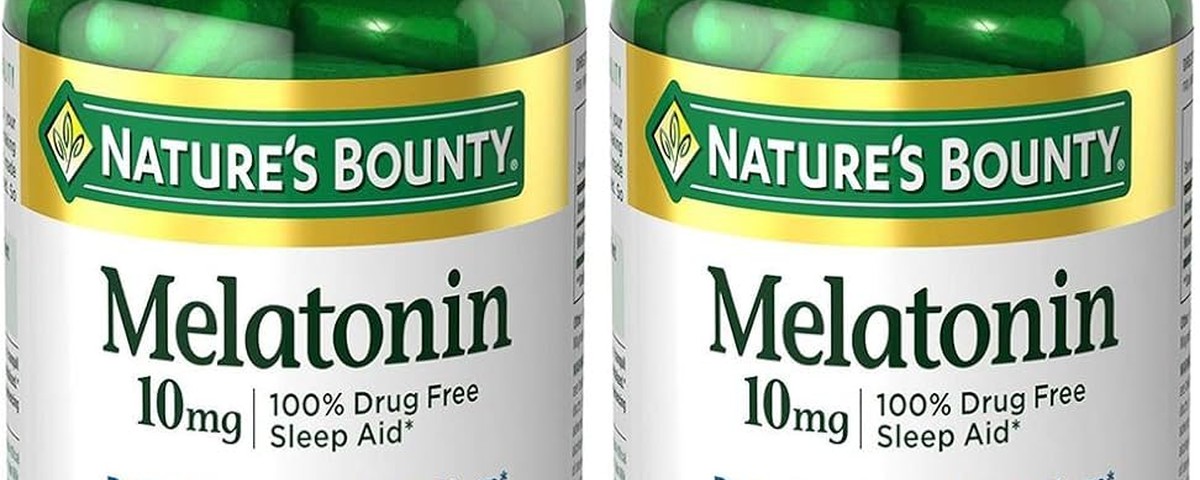
The dosing problem is real. Most melatonin sold in pharmacies comes in 5 mg or 10 mg doses. The physiological dose — the amount your brain actually produces — is 0.1 to 0.3 mg. Research consistently shows that 0.5 mg is often as effective as 5 mg, and that high doses can actually impair sleep quality by desensitizing melatonin receptors over time. If you have been taking 5-10 mg nightly and not seeing results, the dose is almost certainly the problem.
Who should be cautious with melatonin:
- Children should not take it without a doctor’s guidance
- Regular nightly use for general insomnia is not supported by the evidence and may blunt sensitivity over time
- If you fall asleep fine but wake during the night, melatonin is unlikely to help
What Magnesium Does
Magnesium is an essential mineral involved in over 300 enzymatic processes. For sleep specifically, it works through three key mechanisms: it activates GABA receptors (the brain’s primary inhibitory neurotransmitter), lowers cortisol, and allows muscles to relax by counteracting calcium’s contracting effect.
Unlike melatonin, magnesium is not pushing a timing button — it is correcting a physiological state that makes it hard for your nervous system to wind down.
The deficiency problem is widespread. Estimates suggest that 40-60% of adults in developed countries do not meet the recommended dietary intake for magnesium. Low magnesium is associated with difficulty initiating sleep, frequent nighttime waking, higher perceived stress, and restless legs symptoms. For these people, supplementing does not create an artificial sedative effect — it removes a roadblock.
Form matters enormously. Magnesium oxide, the most common form in cheap supplements, has roughly 4% absorption. It is essentially useless for sleep and primarily acts as a laxative. Magnesium glycinate — magnesium bound to glycine — has substantially better bioavailability and the glycine itself has additional calming effects on the nervous system. This is the form that has the best evidence for sleep.
For a detailed breakdown of forms, dosing, and product recommendations, see our guide to the best magnesium for sleep. Our top pick is Magnesium Breakthrough by BiOptimizers{rel=“nofollow sponsored” target=“_blank”} — one of the few supplements that combines multiple forms of magnesium for maximum absorption.
Side-by-Side Comparison
| Factor | Melatonin | Magnesium Glycinate |
|---|---|---|
| Mechanism | Circadian timing signal | GABA activation, cortisol reduction, muscle relaxation |
| Best for | Jet lag, shift work, delayed sleep phase | Difficulty relaxing, waking during the night, general sleep quality |
| Dose | 0.5–1 mg (not 5–10 mg) | 200–400 mg elemental magnesium |
| When to take | 30–60 min before desired sleep time | 30–60 min before bed, with food or without |
| Side effects | Grogginess if overdosed; vivid dreams | Loose stools if too high a dose; otherwise minimal |
| Dependency risk | Low physiologically; potential receptor desensitization with chronic high-dose use | None |
| Evidence strength | Strong for circadian disorders; weak for general insomnia | Moderate-strong, especially for those with deficiency |
When to Use Melatonin
Melatonin makes sense when your problem is timing, not sleep quality. Specifically:
- You are traveling across multiple time zones and want to accelerate clock adjustment
- Your schedule changes frequently and you need to shift your sleep window
- You consistently fall asleep too late and want to advance your sleep phase
- You are using it situationally, not every night
If you do use it, use the smallest effective dose. Start at 0.5 mg taken 60 minutes before your target sleep time. Most people do not need more than 1 mg.
When to Use Magnesium
Magnesium is the right choice when your problem is sleep quality or nervous system arousal. Specifically:
- You lie in bed and cannot relax — your body feels tense or wired
- You fall asleep but wake frequently during the night
- You feel chronically stressed and sleep poorly as a result
- You have restless legs or muscle cramps at night
- Your diet is low in magnesium-rich foods (nuts, seeds, leafy greens, whole grains)
Start with 200 mg of magnesium glycinate 30–60 minutes before bed. You can increase to 400 mg if needed, but most people notice a difference at the lower dose within one to two weeks.
When to Use Both
Both supplements together is a reasonable approach for people who have both a circadian timing issue and underlying difficulty relaxing. There is no meaningful interaction between the two, and the combination is widely used.
A practical protocol for someone dealing with jet lag and general sleep quality issues: take 200–400 mg magnesium glycinate nightly as a baseline, and add 0.5–1 mg melatonin on the nights where circadian adjustment is needed.
What to Avoid
High-dose melatonin every night. This is probably the most common supplement mistake in the sleep category. Taking 5–10 mg of melatonin as a nightly habit is not supported by evidence, likely produces diminishing returns, and may actually impair your natural melatonin sensitivity over time. If you are doing this, step down to 0.5 mg and reassess.
Magnesium oxide. It is cheap and widely sold but has near-zero bioavailability for anything except clearing your bowels. If a supplement does not specify the form of magnesium, assume it is oxide and skip it. Look specifically for glycinate, malate, or L-threonate on the label.
Key Takeaways
- Melatonin and magnesium are not competing alternatives — they solve different problems
- Melatonin is a circadian timing tool, not a sedative; use 0.5–1 mg, not 5–10 mg
- Magnesium glycinate supports relaxation by fixing a common nutritional deficit, not by sedating you
- If your main problem is difficulty winding down, waking at night, or tension before bed, start with magnesium
- If your main problem is falling asleep at the wrong time or adjusting after travel, use melatonin situationally
- Most people with chronic sleep issues benefit more from magnesium than from melatonin
For form-by-form recommendations and specific dosing guidance, read our full guide: Best Magnesium for Sleep.