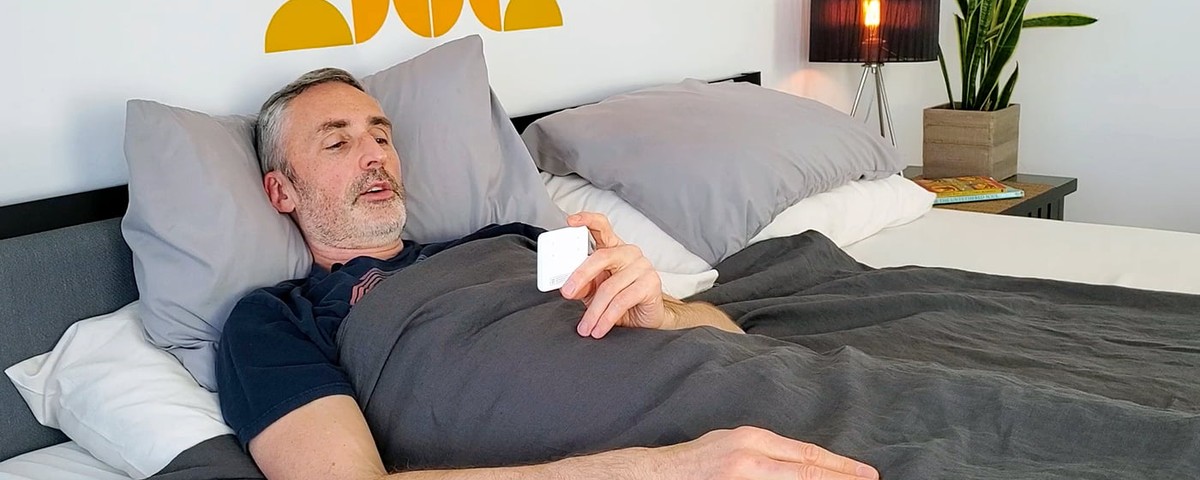
Weighted blankets and cooling blankets are both marketed as sleep solutions, often displayed in the same aisle. But they address completely different sleep problems — and choosing the wrong one for your situation will either leave you sweating or miss the actual issue entirely.
This comparison is straightforward once you understand what each product actually does. The answer almost always comes down to one question: is your primary sleep problem anxiety and restlessness, or overheating?
Quick Verdict
Hot sleepers: Get a cooling blanket. Elevated body temperature is one of the most reliable sleep disruptors, and no amount of pressure therapy helps if you are too warm to sleep.
Anxious sleepers: Get a weighted blanket. The evidence for deep pressure stimulation reducing anxiety and improving sleep onset is solid, particularly for stress-driven insomnia.
Hot and anxious: You are not stuck. Weighted cooling blankets — products that combine both features — exist and are worth considering. They cost more but solve both problems at once.
What Weighted Blankets Do
Weighted blankets typically weigh between 12 and 25 pounds and work through a mechanism called deep pressure stimulation (DPS). The distributed weight across the body mimics the effect of being held or swaddled — activating the parasympathetic nervous system, increasing serotonin production, and reducing cortisol.
The result is a calmer physiological state at bedtime. Heart rate drops, muscle tension eases, and the nervous system shifts from alert to settled. For people whose sleep problems stem from anxiety, racing thoughts, or hyperarousal, this can be meaningfully effective.
What the evidence actually says: The research on weighted blankets is strongest for anxiety disorders and autism spectrum conditions. Multiple controlled studies show reduced anxiety scores and improved sleep onset in these populations. For the general population, evidence is more mixed — but the proposed mechanism is sound, and the practical experience of millions of users suggests it works well for stress-driven sleep problems.
The heat problem is real. Most weighted blankets are made from cotton or flannel with poly pellet or glass bead fill. By design, they are warm. If you run hot at night or sleep in a warm climate, this is a significant drawback. The weight that creates the pressure also traps body heat — and overheating at night will absolutely override any benefit from the pressure.
Sizing guidance: The commonly cited recommendation is a blanket that weighs approximately 10% of your body weight, plus or minus a pound or two. A 150-pound person would typically find a 15-pound blanket most effective. This is not a rigid formula — personal preference matters — but going too light eliminates the effect, and going too heavy can feel restrictive.
What Cooling Blankets Do
Cooling blankets are engineered to dissipate body heat rather than retain it. They use three primary approaches:
Moisture-wicking fabrics — bamboo, Tencel (lyocell), and certain microfibers pull sweat away from the skin and allow it to evaporate, which has a cooling effect. These materials feel cool to the touch and breathe well.
Phase-change materials (PCMs) — some premium cooling products embed materials that absorb heat as they transition from solid to liquid at body temperature. This actively draws heat away rather than just allowing it to escape.
Open-weave construction — a simpler approach that maximizes airflow by using loosely woven fabrics that allow heat to dissipate naturally.
Cooling blankets do not actively refrigerate — they are passive systems that remove heat more efficiently than standard bedding. For hot sleepers, night sweaters, and anyone dealing with perimenopause or menopause-related temperature dysregulation, this makes a substantial difference to sleep quality.
Body temperature dropping by one to two degrees Celsius is a biological trigger for sleep onset and deep sleep maintenance. When that natural cooling is impaired by warm bedding, both sleep latency and sleep quality suffer. A good cooling blanket removes that barrier.
Who Should Get Which
| Your situation | Recommended option |
|---|---|
| Anxiety, stress, or racing thoughts at bedtime | Weighted blanket |
| Hot sleeper or frequent night sweating | Cooling blanket |
| Menopause-related temperature changes | Cooling blanket |
| Warm climate or warm bedroom | Cooling blanket |
| Restlessness without overheating | Weighted blanket |
| Both anxiety and heat sensitivity | Weighted cooling blanket |
| Autism spectrum — sensory processing | Weighted blanket |
| Children with nighttime anxiety | Weighted blanket (child-appropriate weight) |
Comparison Table
| Factor | Weighted Blanket | Cooling Blanket |
|---|---|---|
| Best for | Anxiety, restlessness, stress-driven insomnia | Hot sleepers, night sweats, temperature regulation |
| Temperature effect | Warming — traps body heat | Cooling — dissipates body heat |
| Anxiety relief | Strong — core benefit | None — not designed for this |
| Price range | $80–$300 | $50–$200 |
| Common materials | Cotton, flannel, minky fabric with glass beads | Bamboo, Tencel, lyocell, phase-change materials |
| Weight | 12–25 lbs (purposeful) | Lightweight by design |
| Evidence base | Moderate-strong for anxiety and autism | Indirect (body temp + sleep science) |
| Maintenance | Bulky to wash; many need oversized machines | Generally machine-washable and easy to care for |
The Hybrid Option
The tension between weight and temperature has a practical solution: weighted cooling blankets. Several brands now make blankets that use cooling fabrics — typically bamboo or Tencel — combined with glass bead fill (which is denser and more temperature-neutral than poly pellets).
Glass beads are the right fill material for warmth-conscious buyers. They are smaller, heavier per volume, and distribute more evenly, which means less fill material is needed to achieve the same pressure — resulting in a thinner, more breathable blanket.
When shopping for a weighted cooling blanket, look for:
- Glass bead fill, not poly pellets
- Bamboo or Tencel outer cover (not cotton or minky)
- A removable, washable cover (critical for long-term maintenance)
- Weight in the appropriate range for your body weight
Expect to pay $150–$300 for a quality hybrid. The cheaper options in this category often compromise on either the cooling fabric quality or the glass bead density, which undermines one or both benefits.
Key Takeaways
- Weighted blankets and cooling blankets solve different problems — buy based on your actual sleep issue
- Weighted blankets work through deep pressure stimulation; the evidence is strongest for anxiety and autism-related sleep disruption
- Cooling blankets work by dissipating body heat, supporting the natural temperature drop required for quality sleep
- If you run warm, a standard weighted blanket will likely make your sleep worse, not better
- Hybrid weighted cooling blankets are a legitimate option for people with both problems — prioritize glass bead fill and bamboo or Tencel fabric
- Most weighted blankets are too warm for hot sleepers without intentional fabric engineering
For more on how bedroom temperature affects sleep quality, see Ideal Bedroom Temperature for Sleep. If night sweating is your primary problem, read Why Do I Sweat While Sleeping for a full breakdown of causes and solutions.